Amazon has quietly rewritten the rules of its marketplace playbook in recent months, making uncharacteristic concessions to sellers as competitive pressures mount from emerging platforms. The e-commerce giant's latest commission structure adjustments reveal a strategic pivot – one that acknowledges the growing influence of Shopify, TikTok Shop, and regional players eating into its dominant market share.
Behind the scenes, internal memos obtained by our sources indicate heated debates among Amazon's leadership about how aggressively to respond. Where the company once dictated terms with minimal negotiation, it's now offering select sellers reduced referral fees in categories like apparel and home goods. This marks a departure from Jeff Bezos' long-standing philosophy of prioritizing scale over seller satisfaction.
The changes arrive as third-party merchants increasingly treat Amazon as just one channel among many rather than their primary sales hub. "We're seeing our vendors allocate more inventory to direct-to-consumer channels," confessed one Amazon category manager during an off-the-record industry mixer. "When Walmart can undercut us on fees and TikTok delivers better customer engagement, we can't just flex our scale muscle anymore."
Analysts note the commission adjustments appear surgically targeted at vulnerable categories. Furniture sellers now enjoy 8% fees (down from 15%) for items over $200 – a direct counter to Wayfair's resurgence. In apparel, Amazon slashed rates to 10% while quietly absorbing return costs that previously crippled small fashion vendors. These moves suggest a new willingness to sacrifice short-term revenue for ecosystem retention.
What makes this strategic shift particularly noteworthy is its timing. Amazon rolled out these changes without fanfare during peak Q3 2023, avoiding public acknowledgment of competitive threats. Contrast this with 2018 when the company proudly increased seller fees while boasting about marketplace growth. The subdued approach speaks volumes about the current landscape.
Marketplace Pulse data reveals the stakes: Amazon's share of US third-party GMV dipped below 40% for the first time since 2014. Meanwhile, Shopify merchants collectively processed more transactions than Amazon's marketplace last quarter. TikTok Shop's explosive growth in Gen Z demographics has reportedly caused particular alarm in Seattle headquarters.
The commission restructuring comes with subtle trade-offs. Sellers receiving fee reductions report stricter inventory performance requirements and more aggressive buy box algorithms favoring FBA participants. "They're giving with one hand while tightening the screws elsewhere," noted a top-100 seller who requested anonymity due to ongoing negotiations.
Regional competitors have forced Amazon's hand in unexpected ways. In India, where Reliance's JioMart and Flipkart maintain fee structures 30-40% lower, Amazon introduced zero closing fees for low-cost electronics. Latin American players like MercadoLibre prompted similar concessions in Brazil's beauty category. These geo-specific adjustments reveal a new localization strategy replacing Amazon's traditional one-size-fits-all approach.
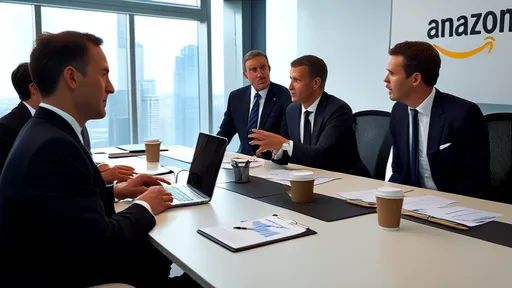
Perhaps most telling is Amazon's sudden willingness to negotiate with enterprise sellers. Historically resistant to customized deals, the company now offers tiered commission rates for brands exceeding $10M in annual sales. This mirrors strategies employed by Alibaba and eBay to retain high-value merchants – a recognition that marketplace liquidity depends on keeping major sellers happy.
The long-term implications could reshape e-commerce dynamics. As platforms compete on seller economics rather than just consumer experience, the entire digital retail ecosystem may see margin compression. For Amazon, known for its ruthless efficiency, these calculated retreats on commissions suggest a new phase of maturity – one where maintaining dominance requires occasional strategic surrender.
Industry veterans observe that Amazon's moves follow a familiar tech monopoly playbook. "We saw Microsoft make similar concessions when Linux gained traction," remarked a former FTC regulator. "When network effects start working against you, even the mightiest platforms must listen to their ecosystem." Whether these adjustments represent temporary tactical maneuvers or a permanent philosophical shift remains to be seen.
What's undeniable is that the age of unilateral Amazon marketplace governance has ended. The same flywheel that propelled its dominance – more sellers attracting more buyers attracting more sellers – now spins in reverse when merchants defect to alternatives. In this new reality, even trillion-dollar behemoths must occasionally bend to market forces.

By /Jun 23, 2025
By /Jun 23, 2025

By /Jun 23, 2025
By /Jun 23, 2025

By /Jun 23, 2025

By /Jun 23, 2025

By /Jun 23, 2025

By /Jun 23, 2025

By /Jun 23, 2025

By /Jun 23, 2025

By /Jun 23, 2025

By /Jun 23, 2025

By /Jun 23, 2025

By /Jun 23, 2025

By /Jun 23, 2025

By /Jun 23, 2025

By /Jun 23, 2025
