The recent profit warning from Inditex, parent company of fast fashion giant Zara, has sent shockwaves through the retail industry. The Spanish conglomerate reported a staggering 40% drop in net profits for the first quarter of 2024, marking its steepest decline in over a decade. This dramatic slump has analysts questioning whether the fast fashion business model - built on rapid inventory turnover and aggressive pricing - has finally reached its expiration date.
A Perfect Storm of Challenges
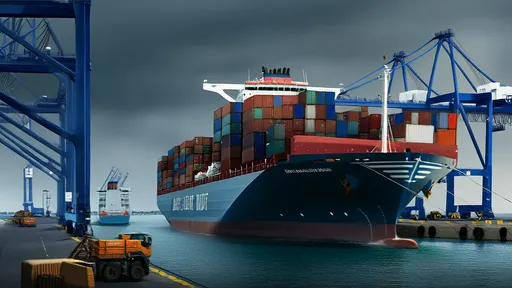
Inditex's troubles reflect broader headwinds battering the fast fashion sector. Rising cotton prices, up nearly 60% since 2020, have squeezed margins across the industry. Simultaneously, shipping costs remain volatile following pandemic-era disruptions, while wage inflation in key manufacturing countries like Bangladesh and Vietnam continues to pressure production budgets. "The entire fast fashion economic model was predicated on cheap inputs and cheap labor," notes retail analyst Miranda Cheng. "That foundation is crumbling from multiple directions at once."
The company's signature "speed to market" advantage - once able to design, produce, and deliver new styles in under three weeks - has become increasingly expensive to maintain. Where Zara previously refreshed its inventory every two weeks, recent supply chain snarls have stretched that cycle to four weeks or longer in many markets. This slowdown undermines the very premise of fast fashion: constant novelty at affordable prices.
Consumer Shifts Accelerate
Perhaps more troubling than operational challenges are fundamental changes in consumer behavior. Younger shoppers, particularly Gen Z, are demonstrating growing aversion to disposable fashion. A 2023 McKinsey survey found 65% of consumers under 30 now prioritize sustainability over price when making clothing purchases - a seismic shift from just five years ago.
"There's growing awareness that a $9.99 blouse comes with hidden environmental and human costs," explains sustainability consultant David Alvarez. "Social media has amplified scrutiny of fashion supply chains, making 'cheap' increasingly synonymous with 'exploitative' in many shoppers' minds." This sentiment has fueled the rise of resale platforms like Depop and ThredUp, which grew 35% year-over-year in 2023 while traditional fast fashion stagnated.
Simultaneously, inflation-weary consumers in Western markets are pulling back on discretionary spending. Where fast fashion once thrived on impulse purchases, many shoppers now carefully consider each clothing buy. "People aren't abandoning Zara entirely," observes retail economist Priya Kapoor. "But they're buying one shirt instead of three, and keeping it longer. That's disastrous for a business built on volume."
The Price vs. Value Conundrum
Inditex's response to these challenges - doubling down on discounts to maintain market share - appears to be backfiring. Gross margins contracted by 380 basis points last quarter as markdowns failed to stimulate sufficient sales growth. "The 'race to the bottom' pricing strategy has reached diminishing returns," warns Credit Suisse analyst Thomas Weber. "When everyone's discounting, no one stands out - you just train customers to wait for sales."
This dynamic creates a vicious cycle: more promotions lead to lower margins, requiring even higher sales volumes to maintain profitability. But with consumers buying less overall, that math no longer works. Meanwhile, premium brands like Reformation and & Other Stories - which command higher prices through perceived quality and sustainability credentials - continue gaining market share.
Geographic Imbalances Emerge
Not all markets are suffering equally. While Inditex struggles in Europe and North America, Asian sales remain relatively robust. China in particular delivered 12% comparable growth last quarter, though this represents a slowdown from previous years. "The Asian consumer isn't as far along the sustainability curve," notes HSBC's retail analyst Ling Chen. "Price sensitivity still dominates, which plays to fast fashion's strengths - for now."
However, this geographic split creates new challenges. Maintaining lower prices in Asia while raising them elsewhere to protect margins risks alienating cost-conscious Western shoppers. Yet harmonizing prices upward could cede ground to local competitors in crucial growth markets. "Inditex finds itself caught between diverging regional realities," observes Chen. "There's no one-size-fits-all solution."
Rethinking Fast Fashion's Future
Some industry watchers believe the solution lies in what Boston Consulting Group calls "fast fashion 2.0" - maintaining rapid inventory turnover while addressing sustainability concerns. Inditex has made tentative steps in this direction, launching garment recycling programs and increasing organic cotton usage. But critics argue these measures amount to greenwashing without systemic change to production volumes.
More radical proposals include shifting toward pre-order models to reduce overproduction or developing truly circular garments designed for multiple lifecycles. "The future belongs to companies that can deliver freshness and affordability without the waste," asserts circular economy expert Emma Burlton. "That requires reinventing the business model, not just tweaking it."
For now, Inditex appears committed to its core strategy, albeit with adjustments. The company plans to open fewer new stores while investing heavily in digital transformation - a recognition that e-commerce now drives growth. Whether these measures can restore profitability without addressing fast fashion's fundamental contradictions remains an open question.
The Wider Industry Ripple Effects
Inditex's struggles have implications far beyond Zara stores. The company's massive supply chain - spanning over 1,800 suppliers in 45 countries - means any production slowdowns or order cancellations could devastate developing economies reliant on garment exports. Bangladesh alone counts Inditex as its second-largest apparel buyer.
Equally concerning for the industry is what Zara's troubles signal about fast fashion's cultural moment. For two decades, the sector rode a wave of globalization, cheap credit, and insatiable consumer appetite for newness. Those tailwinds have reversed, potentially marking not just a cyclical downturn but an existential crisis for the entire business model.
As consumers, regulators, and investors increasingly scrutinize fashion's environmental and social impact, companies built on disposability face stark choices: evolve or decline. Zara's profit plunge may be remembered as the moment the industry realized the party was over - and the hard work of building a sustainable future had begun.
By /Jun 23, 2025

By /Jun 23, 2025
By /Jun 23, 2025

By /Jun 23, 2025

By /Jun 23, 2025

By /Jun 23, 2025

By /Jun 23, 2025

By /Jun 23, 2025

By /Jun 23, 2025

By /Jun 23, 2025

By /Jun 23, 2025

By /Jun 23, 2025

By /Jun 23, 2025

By /Jun 23, 2025

By /Jun 23, 2025
By /Jun 23, 2025

By /Jun 23, 2025
