Prolonged Red Sea Crisis: Global Shipping Costs Soar by 300%, Accelerating Supply Chain 'Nearshoring'

Jun 23, 2025 By

The prolonged crisis in the Red Sea has sent shockwaves through global trade, with shipping costs skyrocketing by as much as 300% in recent months. What began as a regional security concern has now evolved into a full-blown supply chain catastrophe, forcing multinational corporations to rethink their decades-long reliance on far-flung manufacturing hubs. The ripple effects are being felt from the docks of Shanghai to the store shelves of Europe and North America, as businesses scramble to adapt to this new era of disrupted logistics.


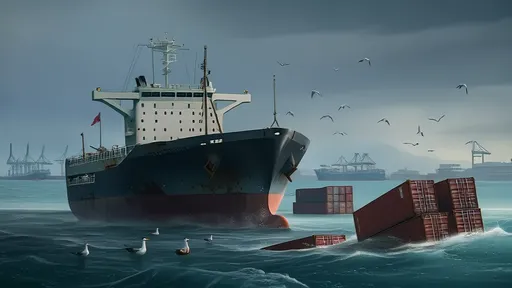
The Red Sea bottleneck has become the single biggest chokepoint in global commerce since the Ever Given blocked the Suez Canal in 2021. Unlike that brief incident, however, this crisis shows no signs of abating. Major shipping lines including Maersk and MSC have rerouted vessels around Africa's Cape of Good Hope, adding 10-14 days to typical Asia-Europe transit times and burning significantly more fuel. Insurance premiums for ships daring to traverse the Red Sea have quintupled, while war risk surcharges now add $500-$2,000 per container.


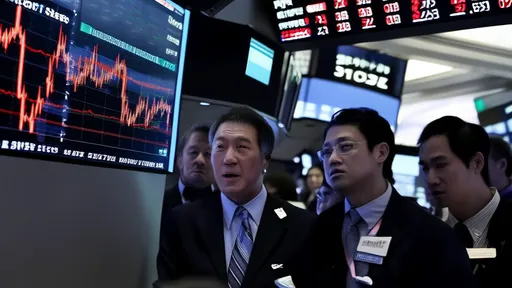
Supply chain managers are reporting unprecedented volatility in freight rates. The spot price for shipping a 40-foot container from China to Northern Europe has jumped from $1,500 in November to over $6,000 currently. Even more startling are the rates to the U.S. East Coast via the Suez Canal route, which have surpassed $7,000 per container - triple last quarter's average. These increases come atop already elevated shipping costs that never fully returned to pre-pandemic levels.


The crisis is accelerating a tectonic shift in global trade patterns that began during the COVID disruptions. Nearshoring, once considered a theoretical ideal by supply chain theorists, is now becoming an operational necessity for many companies. Mexico's exports to the U.S. hit record levels in Q1 2024, while Vietnam and Thailand are seeing surging interest from manufacturers looking to reduce dependence on Chinese factories. Eastern European nations like Poland and Romania are becoming manufacturing hotspots for European brands seeking to shorten their supply lines.


This geographical reordering comes with significant costs and challenges. Building new manufacturing capacity takes years and requires massive capital investment. Skilled labor shortages plague many potential nearshoring destinations, while infrastructure limitations create new bottlenecks. The Mexican border city of Nuevo Laredo, for instance, now experiences regular truck crossing delays of 12-18 hours as it struggles to handle the surge in trade volumes.


Consumer goods companies face particularly acute pressures. The fashion industry's just-in-time delivery models are collapsing under the strain of extended shipping times. Several major retailers have already warned of potential stockouts for spring and summer collections. Automotive manufacturers, still recovering from semiconductor shortages, now confront new parts delays as critical components sit stranded on rerouted ships.


The inflationary implications are becoming impossible to ignore. Analysts at J.P. Morgan estimate the Red Sea disruptions could add 0.7 percentage points to global inflation in 2024 if they persist through the year. Food prices are especially vulnerable, with coffee and cocoa futures hitting multi-year highs as shipping uncertainties compound existing supply concerns. European supermarkets report that shipping-related cost increases are adding 3-5% to retail prices for imported goods.


Some industries are responding with creative workarounds. Luxury brands are increasingly shifting to air freight for high-value items, despite the enormous cost premium. Electronics manufacturers are stockpiling critical components, reversing years of lean inventory practices. The most dramatic changes are occurring in energy markets, where liquefied natural gas (LNG) tankers are taking 9,000-mile detours around Africa instead of the 3,000-mile direct route through the Suez Canal.


Geopolitical analysts warn that the Red Sea crisis may represent more than a temporary disruption. The fragmentation of global trade into competing blocs, combined with increasing climate-related shipping hazards, suggests that supply chain volatility may become the new normal. As one shipping executive privately conceded, "The era of predictable, cheap container shipping is probably over. Every company needs to rebuild their supply chains assuming constant disruption."


This realization is driving unprecedented investment in supply chain resilience. Warehouse construction in the U.S. and Europe has hit record levels as companies seek to maintain larger inventories. Mexico attracted over $40 billion in manufacturing investment commitments in 2023, with another $15 billion already announced in Q1 2024. Perhaps most significantly, trade data shows intra-regional commerce growing at nearly double the rate of long-distance trade for the first time in modern history.


The human costs of these disruptions are often overlooked. Seafarers from developing nations bear the brunt of the danger, with dozens of ships now transiting high-risk zones without adequate security. Port workers from Hamburg to Los Angeles face erratic schedules as ship arrivals become unpredictable. And consumers worldwide, particularly in developing nations, face shrinking product choices and higher prices for everything from medicines to mobile phones.


As the crisis enters its sixth month with no resolution in sight, economists are debating whether we're witnessing a temporary perturbation or a fundamental restructuring of globalization itself. What's certain is that the assumptions underpinning global supply chains for the past thirty years - stable shipping routes, predictable costs, and seamless cross-border flows - no longer hold true. In boardrooms across the world, executives are making decisions today that will reshape the geography of global manufacturing for decades to come.


Recommend Posts
Business

Shipping Costs Soar by 300%, with the Asia-Europe Route Hit the Hardest

By /Jun 23, 2025

The global shipping industry is facing an unprecedented crisis as freight rates have skyrocketed by as much as 300% on key routes, with the Asia-Europe trade lane bearing the brunt of the surge. The dramatic increase in costs has sent shockwaves through supply chains, forcing businesses to reconsider their logistics strategies and absorb higher expenses. This development comes at a time when the world economy is still grappling with the lingering effects of the pandemic and geopolitical tensions.
Business

First Interest Rate Hike in 17 Years Triggers Drastic Yen Fluctuations

By /Jun 23, 2025

The Japanese yen has experienced its most volatile trading week in nearly two decades following the Bank of Japan's (BOJ) historic decision to raise interest rates for the first time in 17 years. This long-awaited policy shift marks a dramatic departure from years of ultra-loose monetary policy, sending shockwaves through global currency markets and triggering frantic repositioning by institutional investors.
Business

El Niño Leads to 30% Rice Yield Reduction in Southeast Asia

By /Jun 23, 2025

The rice fields of Southeast Asia, typically a lush expanse of green, now bear the muted tones of a struggling crop. Farmers across the region are facing one of their most challenging seasons in decades as the El Niño climate phenomenon tightens its grip, reducing rice yields by an estimated 30%. This dramatic shortfall threatens not only local food security but also the global rice market, where Southeast Asia plays a pivotal role.
Business

Amazon Forced to Adjust Commission Policies in Response to Competition

By /Jun 23, 2025

Amazon has quietly rewritten the rules of its marketplace playbook in recent months, making uncharacteristic concessions to sellers as competitive pressures mount from emerging platforms. The e-commerce giant's latest commission structure adjustments reveal a strategic pivot – one that acknowledges the growing influence of Shopify, TikTok Shop, and regional players eating into its dominant market share.
Business

Temu, Shein, and TikTok Shop's Q3 GMV Surpasses $50 Billion

By /Jun 23, 2025

The e-commerce landscape witnessed a seismic shift in the third quarter of 2023 as three Chinese-originated platforms - Temu, Shein, and TikTok Shop - collectively surpassed a staggering $50 billion in Gross Merchandise Value (GMV). This remarkable achievement signals not just the growing dominance of these platforms in global online retail, but also underscores fundamental changes in consumer behavior and the international trade ecosystem.
Business

Surge in Chinese Real Estate Debt Restructuring: Why Are International Investors' Loss Ratios far beyond expectations?

By /Jun 23, 2025

The Chinese property sector, once a powerhouse of the global economy, is now grappling with an unprecedented debt crisis. As developers scramble to restructure their liabilities, international bondholders are facing steep losses—far steeper than many had anticipated. The so-called "haircuts" imposed on foreign investors have sparked outrage and raised questions about the fairness and transparency of China’s debt resolution process.
Business

Saudi Sovereign Fund Invests Billions in Gaming and Esports: The Oil Empire's 'Post-Carbon Economy' Gamble

By /Jun 23, 2025

The shifting sands of Saudi Arabia's economic future are taking an unexpected turn. As the world gradually transitions away from fossil fuels, the kingdom's sovereign wealth fund is placing billion-dollar bets on an industry far removed from its oil-rich past: gaming and esports. This strategic pivot represents more than just portfolio diversification—it's a high-stakes wager on what could become the cornerstone of Saudi Arabia's post-carbon economy.
Business

One Year After UBS's Takeover of Credit Suisse: Is Europe's 'Too Big to Fail' Problem Getting Worse?

By /Jun 23, 2025

The financial world marked a sober anniversary last month as Switzerland's UBS completed its controversial takeover of rival Credit Suisse. What was once considered unthinkable - the disappearance of a 167-year-old pillar of European banking - became reality through a hastily arranged, government-brokered deal that sent shockwaves through global markets. Twelve months later, policymakers and regulators face uncomfortable questions about whether the rescue has actually exacerbated systemic risks in European banking.
Business

Bitcoin ETF Approval Leads to Record High Institutional Holdings: Is the 'De-Retailization' of Cryptocurrency Upon Us?

By /Jun 23, 2025

The approval of Bitcoin exchange-traded funds (ETFs) earlier this year marked a watershed moment for the cryptocurrency market. Since then, institutional holdings of Bitcoin have surged to record highs, raising questions about whether the era of retail-dominated crypto trading is coming to an end. What began as a decentralized movement championed by individual investors is increasingly becoming institutionalized, with Wall Street giants and asset managers now steering the ship.
Business

Blackstone’s $100 Billion Bet on Commercial Real Estate: Is the ‘Office Apocalypse’ Overblown?

By /Jun 23, 2025

In a move that has sent shockwaves through global markets, Blackstone Group has quietly amassed a $100 billion war chest to aggressively acquire commercial real estate assets—particularly office spaces—at what it sees as bargain prices. The private equity giant’s audacious play comes as vacancy rates in major cities like New York and San Francisco hover near record highs, and headlines scream about the "death of the office." But Blackstone’s leadership appears convinced that the doom-and-gloom narrative surrounding workplaces has been exaggerated, if not entirely misplaced.
Business

OpenAI Launches Free Version of ChatGPT-4o: How Many Startups Will AI Tool Democratization Destroy?

By /Jun 23, 2025

The launch of OpenAI’s ChatGPT-4o as a free-to-use model has sent ripples across the tech industry, particularly among startups that have built their businesses around AI-powered tools. For years, smaller companies have carved out niches by offering specialized services—chatbots, content generators, coding assistants—often at a premium. Now, with one of the most advanced AI models available for free, the ground beneath them is shifting. The democratization of cutting-edge AI may be a boon for users, but it threatens to render countless startups obsolete overnight.
Business

Boeing Mired in Safety Crisis: Is the 'Duopoly' Era of Global Aviation Coming to an End?

By /Jun 23, 2025

The aviation industry has long been dominated by two titans: Boeing and Airbus. For decades, this duopoly has shaped the skies, with airlines around the world relying almost exclusively on these two manufacturers for their fleets. However, Boeing’s recent safety crisis has sparked a profound debate about whether this era of dual dominance is coming to an end. The fallout from multiple high-profile incidents, including the 737 MAX crashes and subsequent groundings, has not only tarnished Boeing’s reputation but also raised questions about the sustainability of a market controlled by just two players.
Business

China's '618' E-commerce Frenzy Fades: Consumption Downgrade Leads to Pinduoduo's Counterattack, Tmall and JD.com Slow Down

By /Jun 23, 2025

China's once-booming "618" shopping festival has lost much of its luster this year, reflecting broader economic headwinds and shifting consumer behavior in the world's second-largest economy. What began as a single-day promotion by JD.com to celebrate its founding anniversary has evolved over 18 years into a three-week nationwide shopping extravaganza rivaling the November 11 Singles' Day event. However, the 2024 edition tells a story of diverging fortunes among China's e-commerce giants, with Pinduoduo's rise mirroring the struggles of traditional leaders Alibaba and JD.com.
Business

Zara's Parent Company Sees 40% Profit Plunge: Is Fast Fashion's 'Price for Volume' Model Reaching Its End?

By /Jun 23, 2025

The recent profit warning from Inditex, parent company of fast fashion giant Zara, has sent shockwaves through the retail industry. The Spanish conglomerate reported a staggering 40% drop in net profits for the first quarter of 2024, marking its steepest decline in over a decade. This dramatic slump has analysts questioning whether the fast fashion business model - built on rapid inventory turnover and aggressive pricing - has finally reached its expiration date.
Business

Apple Vision Pro Sales Fall Short of Expectations: Why Do Metaverse Hardware Struggle with the 'Innovator's Dilemma'?

By /Jun 23, 2025

The launch of Apple's Vision Pro was met with high expectations, positioning itself as a groundbreaking entry into the augmented and virtual reality space. Yet, despite the tech giant's reputation for creating market-defining products, early sales figures have fallen short of projections. This has reignited discussions about the broader challenges facing metaverse hardware—why do even the most innovative companies struggle to escape the so-called "innovator's dilemma"?
Business

Prolonged Red Sea Crisis: Global Shipping Costs Soar by 300%, Accelerating Supply Chain 'Nearshoring'

By /Jun 23, 2025

The prolonged crisis in the Red Sea has sent shockwaves through global trade, with shipping costs skyrocketing by as much as 300% in recent months. What began as a regional security concern has now evolved into a full-blown supply chain catastrophe, forcing multinational corporations to rethink their decades-long reliance on far-flung manufacturing hubs. The ripple effects are being felt from the docks of Shanghai to the store shelves of Europe and North America, as businesses scramble to adapt to this new era of disrupted logistics.
Business

African Lithium Mine Battle Escalates: Chinese Companies Face 'Critical Minerals Alliance' Encirclement by US and Europe"

By /Jun 23, 2025

The global race for Africa's lithium reserves has intensified dramatically in recent months, with Chinese mining companies finding themselves increasingly squeezed by a coordinated Western push to secure critical mineral supplies. As the world transitions toward renewable energy and electric vehicles, lithium - often called "white gold" - has emerged as the hottest commodity in geopolitical resource wars.