The MotoE World Cup has emerged as one of the most exciting developments in motorsport, showcasing the potential of electric motorcycles on a global stage. While the racing itself delivers high-speed thrills, one of the most critical challenges facing the series is the rapid charging infrastructure required to keep these machines competitive. Unlike traditional internal combustion engines that can be refueled in seconds, electric bikes demand sophisticated charging solutions to minimize downtime during races.
The Need for Speed: Charging Under Pressure
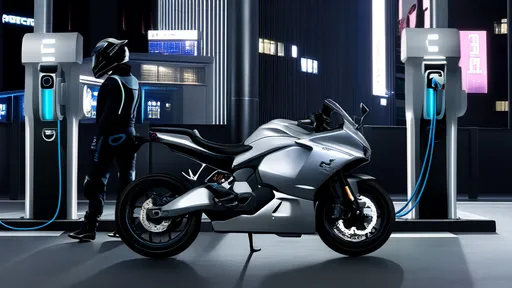
In the high-octane world of MotoE, every second counts. Riders push their electric machines to the limit, but the technology behind the scenes must keep pace. The series relies on fast-charging stations that can replenish battery packs in a matter of minutes rather than hours. This is no small feat—electric motorcycles require high-voltage systems capable of delivering immense power without compromising safety or battery longevity. The current generation of MotoE bikes uses bespoke charging solutions that balance speed with thermal management, ensuring cells don’t overheat during rapid energy transfer.
Thermal Challenges and Battery Longevity
One of the biggest hurdles in fast-charging electric motorcycles is managing heat. Pushing large amounts of energy into a battery in a short time generates significant heat, which can degrade performance and shorten the lifespan of the cells. MotoE engineers have had to develop advanced cooling systems to counteract this effect. Liquid-cooled battery packs and intelligent charging algorithms help regulate temperature, but the trade-off between charging speed and battery health remains a delicate balancing act. Teams must carefully monitor charging cycles to avoid excessive wear, especially during back-to-back race sessions.
The Race for Better Energy Density
While fast-charging technology is crucial, another key factor is energy density—how much power can be stored in a given battery size. MotoE bikes are lighter than their electric street counterparts, but they still face limitations compared to traditional gasoline-powered machines. Advances in solid-state batteries and new electrode materials could revolutionize the sport, offering greater range and faster recharge times without the bulk. However, these technologies are still in development, leaving current teams to work within the constraints of existing lithium-ion solutions.
Infrastructure and Logistics
Unlike conventional racing series where fuel is readily available, MotoE requires specialized charging stations at every circuit. This adds a layer of complexity to event organization, as tracks must be equipped with high-power electrical connections capable of supporting multiple bikes simultaneously. The logistics of transporting and maintaining these charging units across different countries further complicate the championship’s operations. Yet, the lessons learned here could pave the way for broader adoption of fast-charging networks in civilian electric motorcycles.
The Future of Electric Motorsport
As MotoE continues to evolve, the charging challenge remains at the forefront of innovation. The series serves as a real-world testbed for technologies that may eventually trickle down to consumer electric vehicles. Faster, more efficient charging solutions could make electric motorcycles more practical for everyday riders, reducing one of the biggest barriers to widespread adoption. For now, the MotoE World Cup stands as a thrilling showcase of what’s possible when speed meets sustainability—and the race to perfect its charging infrastructure is just as intense as the battles on track.
By /Jun 14, 2025
By /Jun 14, 2025
By /Jun 14, 2025
By /Jun 14, 2025
By /Jun 14, 2025
By /Jun 14, 2025
By /Jun 14, 2025
By /Jun 14, 2025
By /Jun 14, 2025
By /Jun 14, 2025
By /Jun 14, 2025

By /Jun 14, 2025
By /Jun 14, 2025
By /Jun 14, 2025
By /Jun 14, 2025
By /Jun 14, 2025
By /Jun 14, 2025
